
Ozone therapy
We use ozone therapy as a minimally invasive, biologically oriented addition to modern dental care. Medical ozone is a reactive form of oxygen that may support disinfection and create conditions that favour natural healing. It does not replace conventional treatment.

How it may be used
- Gum health: supporting disinfection of gum pockets alongside professional cleaning
- Before fillings, inlays or crowns: reducing bacteria in the prepared tooth
- Sensitive teeth and early decay: supporting disinfection and remineralisation
- After extractions and oral surgery: supporting a clean healing environment
- Around implants: as part of a maintenance protocol
- Root-canal treatment: as an extra disinfection step alongside established methods
What happens during treatment?
Treatment is quick, gentle and local. Ozone is applied as a gas, ozonated water or ozonated oil, in controlled concentrations, and protective measures ensure it is never inhaled. Most patients feel nothing at all.
Ozone and the blood (major autohaemotherapy)
Besides local use in the mouth, medical ozone can also be given through the blood. In complementary medicine this is used to support circulation, the immune system and recovery, for example as part of a detox or holistic programme.
- A small amount of your blood, usually about 100 to 200 ml, is drawn from a vein in your arm into a sterile, single-use bottle.
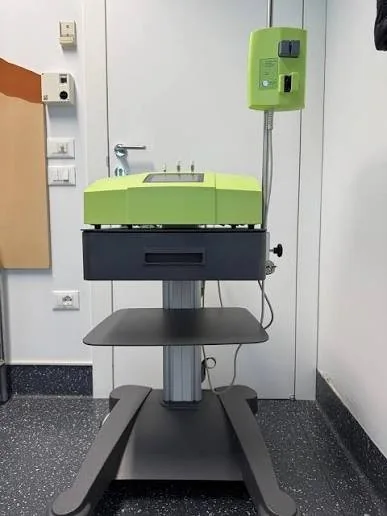
- The device adds a precisely measured oxygen-ozone mixture to the blood.
- The treated blood flows back into the same vein through a drip. You sit comfortably, can read or relax, and a session takes about 30 to 45 minutes.
- Usually a series of several sessions is planned.
Before treatment we check your medical history and blood values. Blood ozone therapy is not suitable for everyone, for example during pregnancy, with an overactive thyroid, with certain blood disorders or with G6PD deficiency (favism). Scientific evidence for many of its uses is still limited, so we see it as a complement to, not a replacement for, conventional treatment.
Is ozone therapy right for me?
It may be relevant if you have recurring gum inflammation, sensitive teeth or early demineralisation, an upcoming extraction, implants needing maintenance, or simply prefer biologically oriented care. Results vary, and ozone works best as part of a complete treatment plan.
Related treatments
Biological dentistry
The mouth-body connection: biocompatible materials, prevention and a whole-person approach.
Learn more →Safe amalgam removal
Mercury-safe removal of old amalgam fillings with a full protective protocol.
Learn more →Ceramic implants with CeraRoot®
Our speciality since 2014: metal-free CeraRoot® one-piece zirconia implants that look natural and support healthy gums and bone.
Learn more →